
Africa’s Energy Transition: Demand, Constraints, and the Role of Storage
Andrew Burke
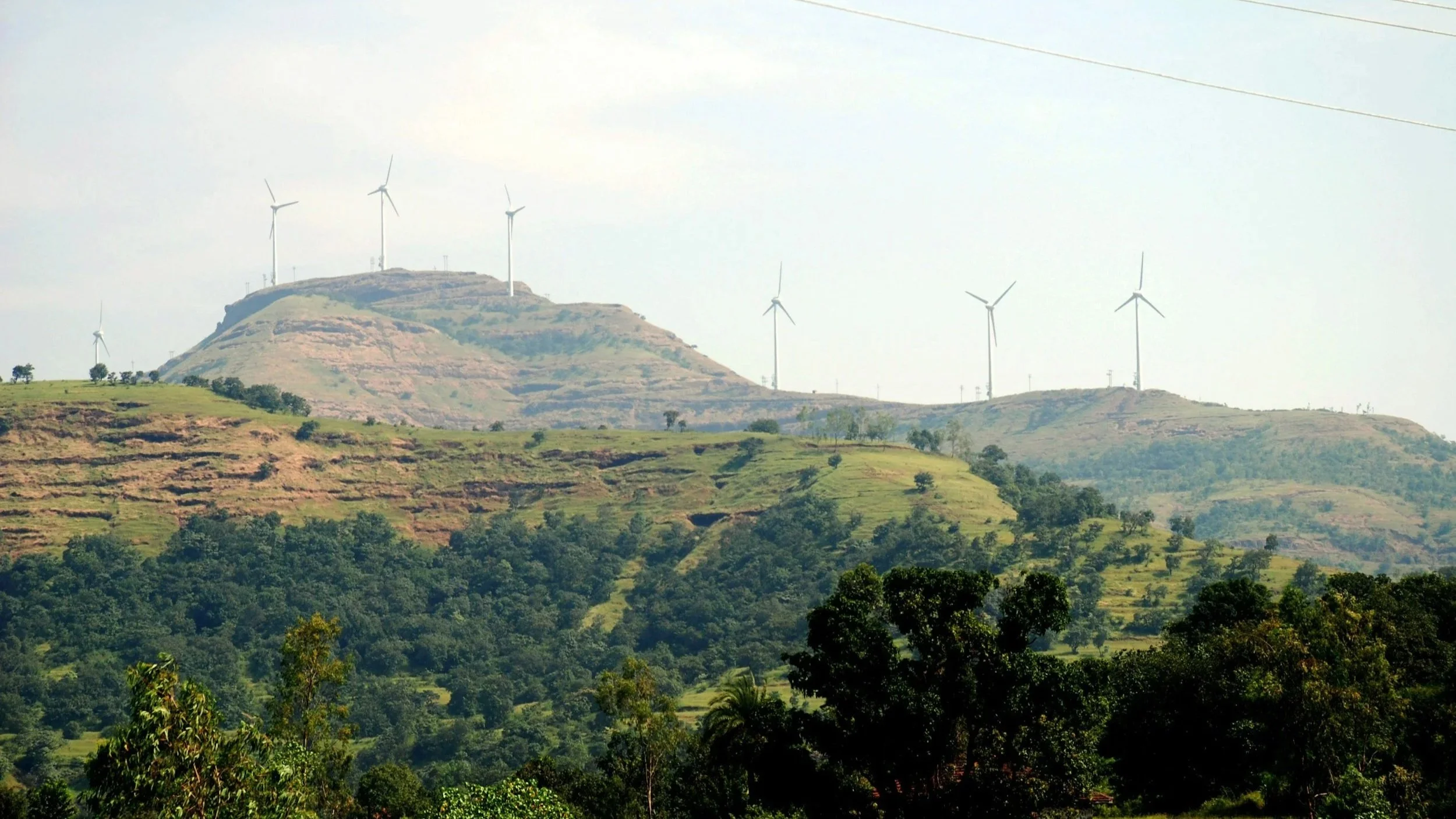
Key Takeaways:
Africa’s energy gap is structural. The continent represents a large share of global population but a small share of electricity consumption, with over 600 million people in Sub-Saharan Africa lacking reliable access, constraining productivity, industrialisation, and income growth.
Demand growth is becoming the core challenge. Rapid population growth, urbanisation, and digital and industrial expansion are set to drive a sustained surge in electricity demand over the coming decades.
Storage and grids will determine outcomes. Falling solar and battery costs make scale possible, but regulatory frameworks, utility finances, and investment in transmission and distribution will shape who captures the economic and strategic gains.
Beneath the headline figures on electrification and renewable deployment, Africa’s energy transition is increasingly shaped by political economy and external influence. Control over grids, financing channels, and critical energy technologies is becoming a strategic asset for governments, development banks, and foreign partners alike. Decisions about who finances, builds, and operates generation and storage systems will not only determine commercial returns, but also shape regulatory alignment, industrial policy, and geopolitical leverage across regional power markets.
The Scale of the Coming Demand
Electricity use in Sub-Saharan Africa is expected to grow rapidly over the coming decades. Estimates suggest demand could more than double by 2040, driven by population growth and the expansion of energy-intensive activities such as manufacturing, digital services, and electrified transport. Some recent analyses indicate that even these forecasts may be conservative, pointing to the possibility of even higher long-term demand as economies and cities continue to expand. This growth will be shaped by rapid population increase and a shift toward city living. Africa’s population is expected to rise sharply over the coming decades, with many more people moving into urban areas. This will increase the need for homes, transport, public services, and digital networks, all of which rely on steady and reliable electricity.
As more people move into cities, jobs and businesses are shifting toward manufacturing, services, and other activities that use more power. City life also brings higher everyday energy needs, from lighting and appliances to transport and digital services. Reliable and affordable electricity supports this shift, giving businesses confidence to grow and making urban areas more attractive for workers, which in turn helps raise productivity and economic output. Africa’s growing population and increasing energy use are driven by long-term demographic trends. What’s still uncertain is how this change will unfold and what benefits it will bring. Developing the right technologies for the energy transition is just one part, but it could unlock huge opportunities for Africa and the wider world.
Barriers to Scale: Financial, Regulatory, and Technical Risks
Given Africa’s abundance of natural resources, it’s natural to ask why its green energy transition hasn’t taken off sooner. The main reasons are technological, financial, and institutional challenges, along with the risks investors face in many markets. Until recently, solar panels and batteries were too expensive for wide use. Thanks to mass production, especially in China, costs have lowered significantly, making solar and storage more affordable. But challenges like weak utility finances, limited long-term funding, and unclear regulations have kept large-scale adoption from growing faster.
Although conditions for expanding renewable energy in Africa are improving, significant structural and operational challenges will continue to influence the pace and viability of the transition. The most critical obstacle remains the financial weakness of many national utilities. Issues such as weak balance sheets, persistent revenue shortfalls, and politically driven tariff controls undermine the bankability of new generation and storage projects. Even where solar and storage are cost-competitive, projects cannot proceed without counterparties capable of fulfilling long-term power purchase agreements.
These financial constraints are rarely purely technical. In many markets, electricity pricing and utility governance are deeply political, with tariffs often used as tools of social policy and regime stability rather than cost recovery. This creates a structural tension between reform agendas promoted by development partners and domestic political incentives to keep power affordable, even at the expense of utility solvency. As a result, the pace of renewable and storage deployment is shaped as much by political calculus as by technology or capital availability.
Regulatory uncertainty is another major obstacle. Frequent changes to tariffs, lengthy permitting processes, and inconsistent contract enforcement increase investor risk and delay projects. These issues raise the cost of capital, which is already among the highest globally for renewables due to currency volatility, limited local financing, and reliance on external lenders, making otherwise viable projects uneconomical. Technical challenges also hinder scaling efforts. Many national grids lack the capacity, stability, and flexibility needed to handle large amounts of variable renewable energy. While new storage technologies help, upgrading transmission and distribution remains crucial. Additionally, gaps in workforce skills, from installation to maintenance, pose risks to the long-term reliability and performance of renewable systems.
Broader structural risks also affect the market. Political instability, procurement delays, and bureaucratic hurdles slow progress and deter investment. Affordability remains a barrier in areas reliant on diesel or informal energy. Although solar panel imports have increased, many sit unused in storage, creating installation backlogs that delay capacity growth. These challenges don’t reduce Africa’s potential but highlight the urgent need for regulatory reform, stronger institutions, and targeted investments in grid infrastructure and skills to meet rising energy demand reliably and sustainably.
The Solar and Storage Breakthrough
Africa’s vast solar potential has long been known but underused, held back mainly by solar intermittency and high costs. Since 2010, solar panel prices have dropped by over 90%, making solar power cheaper than diesel in most African markets. New financing methods like blended finance, public-private partnerships, and green bonds are unlocking larger investments. The rise of affordable, scalable battery storage is transforming the energy landscape, addressing solar’s intermittency by storing power for use when the sun isn’t shining. Meanwhile, lithium-ion battery costs have fallen from over USD 1,200 per kilowatt-hour to around USD 150 or lower in leading markets today, with new battery types further expanding applications and reducing reliance on scarce minerals.
These advances are already happening across Africa. In 2023, South Africa launched its largest grid-scale battery project, while Kenya and Nigeria are using solar-plus-battery mini-grids to cut diesel use in rural areas. Egypt’s utility-scale projects are improving grid stability and extending renewable power after dark. Rwanda has made strong progress, with over 60% of its population now having access to electricity, including a growing share served by battery-supported mini-grids and off-grid systems.
At the same time, Africa’s clean energy build-out is becoming increasingly tied to global supply chains and external financing ecosystems. The dominance of Chinese manufacturers in solar panels, inverters, and battery systems has lowered costs and accelerated deployment, but it also embeds new forms of strategic dependency. For governments and investors, this raises longer-term questions around standards-setting, technology lock-in, and the balance of influence between Chinese, Gulf, Western, and multilateral capital across national power systems and regional grids.
While electricity demand will grow, how fast and where depends on affordability, grid reliability, and regulatory action. Without continued investment in grids and utility reforms, much of this demand, especially outside cities, may go unmet. Growing sectors like data centres, electric transport, and manufacturing will also need stable policies and reliable power to thrive. Ultimately, Africa’s population and urban growth will push demand higher, but real economic change depends on addressing these challenges.
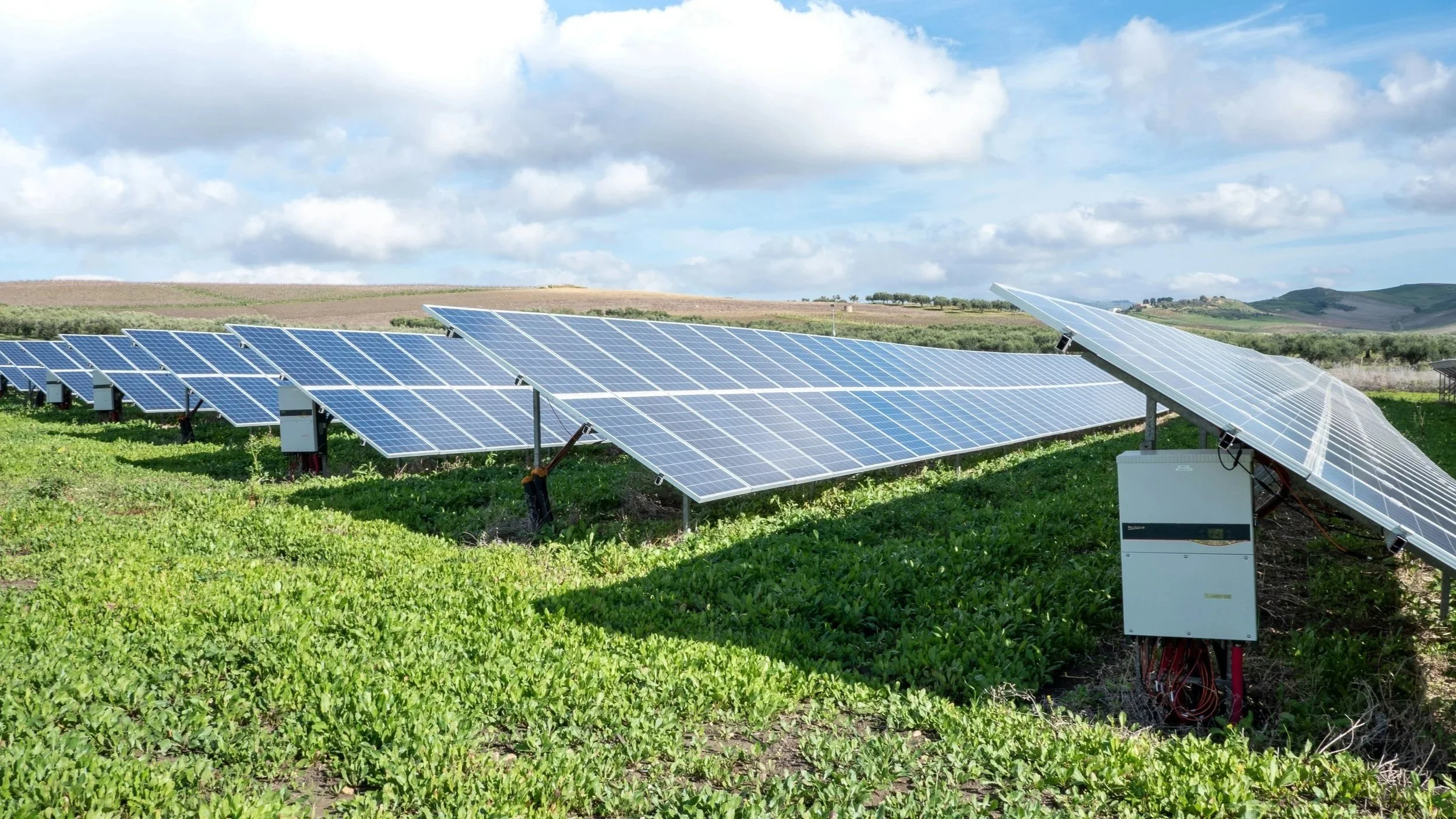
Solar Deployment Sees All-Time Highs
Solar panel imports to Africa surged from 2023 through 2025, signalling a major shift in how the continent is powering itself. Top importers like South Africa, Nigeria, and Egypt are joined by growing markets in Rwanda, Senegal, and Ethiopia. Large projects like Morocco’s Noor Ouarzazate and Egypt’s 1.6 GW Benban park show solar’s scale and the value of multi-investor models. Kenya’s hybrid mini-grids prove local systems can quickly boost access alongside national grids.
Globally, renewable power needs to triple by 2030 to meet net-zero goals, but current growth rates fall short. Africa’s contribution is still small but growing faster than ever. However, this progress is uneven. Most solar capacity is in a few middle-income countries, while many poorer and rural areas still lack electricity. Africa’s per-capita renewable capacity remains among the world’s lowest, showing there is much more to do.
If solar is key to unlocking Africa’s energy potential, batteries are what make it work fully. Storage is vital not just for solar but for all variable renewables, from solar in the Sahel to wind in Ethiopia and hydropower in Uganda. Batteries turn these intermittent sources into a reliable, flexible system. To provide steady power, stabilise grids, and support cross-border energy trade, a mix of renewables and storage is essential. Energy storage isn’t just an add-on, it’s the backbone of a fully integrated renewable energy system.
Yet storage also introduces new layers of risk. Battery systems require long-term maintenance regimes, replacement cycles, and recycling infrastructure that many regulatory frameworks are not yet equipped to manage. Without clear standards and end-of-life policies, today’s solution to intermittency could become a future source of environmental, financial, and operational liabilities, particularly for under-resourced utilities and municipal operators.
Unlocking Africa’s electricity potential means not just building new power plants but creating a system that delivers reliable energy from producers to users. Meeting demand by 2040 will need nearly USD 1 trillion in investment, about USD 490 billion for generation and USD 345 billion for transmission, distribution, and storage. This huge sum will require funding from governments, development banks, and private investors.
Blended finance can help by reducing risks and lowering costs, making large-scale investment possible. The biggest opportunities lie in technologies that help solar power grow: battery storage, grid integration, and supporting systems. Battery storage is key for reliability, stabilising grids and smoothing out renewable energy’s ups and downs. It also supports mini-grids, cuts costly diesel use, and turns variable power into steady electricity.
Grid integration is the second key element. Building more connections between countries, expanding rural electrification, and using smart grids to balance supply and demand are essential for scaling renewables. Better regional links would let countries trade electricity, exporting surplus power and importing when needed. This can stabilise supply, cut costs, and turn Africa’s rich solar, hydro, and wind resources into a shared advantage. Achieving this will need stronger cooperation between countries, both regionally, through groups like the Southern African Development Community (SADC), and continent-wide, via agreements like the African Continental Free Trade Agreement (AfCFTA).
The third pillar is enabling technologies like inverters, digital meters, and software that forecast demand, monitor the grid, and automate distribution. These tools improve efficiency, cut losses, and make renewable projects more attractive by giving real-time insights into performance and usage. They help balance rising energy demand while keeping grids stable.
African governments are starting to see that unlocking this system needs both investment and reform. Updates to regulations, clearer tariffs, and better support for independent power producers are attracting private investors. Improved risk-sharing and long-term finance from international partners are also key. However, many reforms are still early and will need more work to build investor confidence.
Where extending the grid is too costly, solar mini-grids offer a practical solution. These combine solar panels with local batteries to provide reliable, affordable power to rural areas that used to rely on diesel or had no electricity at all. By decentralising energy production and use, mini-grids are helping expand access and economic opportunities across Africa.
The Investment Case
For investors, the opportunity stems from growing demand driven by population growth, increasing economic complexity, and technology readiness. Africa will see most of the world’s population growth by 2040, making it the fastest-growing source of new electricity demand.
Its young, expanding population means electricity use could rise for decades, especially as incomes grow and lifestyles change. Unlike mature markets, many African economies are still building key infrastructure like factories, schools, and digital networks, which will keep electricity demand high—if electrification and affordability improve. Population growth will also speed up Africa’s ongoing urbanisation.
Urbanisation makes distributed energy more cost-effective and helps shift from informal to formal energy markets. Industrial demand is growing, often met by expensive and polluting diesel generators. For example, diesel can make up to 60% of costs for mobile network operators like Airtel Africa. As diesel costs fall and storage improves, more operators are switching to renewables, lowering costs for consumers and expanding mobile and internet access. With global data centre capacity on track to triple by 2030, and much capacity planned in Africa, reliable green energy could turn this challenge into an advantage, making some countries hubs for low-carbon digital infrastructure.
However, these opportunities are likely to be unevenly distributed. Countries with stronger regulatory institutions, credible utilities, and access to concessional finance are positioned to capture a disproportionate share of capital and industrial spillovers, while more fragile states risk falling further behind. This divergence could deepen regional power imbalances, turning electricity exporters and grid hubs into strategic actors within their neighbourhoods, with growing influence over pricing, access, and cross-border energy flows.
Just as mobile networks skipped landlines, renewable systems with batteries can bypass centralised fossil fuel grids. This is already happening in places like Rwanda and Nigeria, where hybrid mini-grids provide steady power to communities once reliant on generators. Falling battery costs and new types of batteries are making this easier. Meanwhile, lenders like the African Development Bank and IFC use blended finance to reduce risks for early projects, helping renewables compete even in high-risk countries.
Building a Local Energy Economy
Meeting Africa’s growing power needs sustainably means not just generating electricity but also linking local manufacturing, regional trade, and green industry into one system. Most solar and battery parts are still imported, but rising demand is opening opportunities for local assembly and production. Morocco and Egypt are building solar industries, while Rwanda and Kenya focus on assembling inverters and modules. Eventually, battery production could grow too, using Africa’s rich resources like cobalt, graphite, and manganese.
Africa’s battery industry is still new but growing, driven by its rich minerals, supportive policies, and local entrepreneurs. The continent has key materials like lithium, cobalt, nickel, manganese, and graphite, making it important in the global energy shift.
Traditionally, these minerals were exported raw, but now there’s a push to add more value locally. In Southern Africa, old lead-acid battery makers are moving into lithium-ion tech, backed by research and certification efforts. Morocco is opening Africa’s first EV battery gigafactory and attracting investment, while Uganda and Egypt support smaller ventures in electric mobility and assembly. These efforts focus on moving from just mining to assembling and designing batteries, building Africa’s role in the global supply chain. The strategic challenge for policymakers is whether this industrial push translates into durable domestic value creation or remains limited to low-margin assembly and export of raw materials. Competing models are emerging, from state-led industrial policy anchored in special economic zones to market-driven approaches backed by foreign manufacturers and development finance. The outcome will shape not only jobs and growth, but Africa’s long-term position in the global clean energy value chain. Though still small, this shows Africa could soon produce batteries and electric vehicles, not just minerals. Success will depend on continued policy support, investment, and skilled workers.
Outlook
Africa stands at a pivotal moment in the global energy transition, not only as a site of rapid demand growth but as a strategic arena for capital, technology, and political influence. Its vast renewable resources and urgent electrification needs create significant opportunity, but the direction of travel will be shaped by who finances infrastructure, who controls grid architecture, and whose standards and technologies become embedded in national power systems. The energy transition, in this sense, is also a contest over economic alignment and long-term strategic partnerships.
Overcoming technical challenges such as fragile grids, limited cross-border cooperation, and uneven financing access is critical to meeting rising demand with reliable power. It is also vital that electrification benefits reach rural and low-income populations to ensure inclusive and sustainable growth. With the right policies and investments, Africa can meet its growing energy needs and emerge as a global leader in clean energy innovation, driving prosperity and resilience for decades to come. For investors and policymakers alike, Africa’s energy transition is no longer just a question of megawatts and access, but of influence, alignment, and long-term positioning within an increasingly contested global clean energy system.